Last Updated: November 12, 2026
Quick Summary
Budget friendly athletic track restoration starts with a site inspection and condition assessment to map damage and check drainage, then choosing among localized repairs, structural spray resurfacing, or full polyurethane resurfacing. Resurfacing can be a practical alternative to full replacement when the base is sound, and budgeting in layers keeps safety repairs funded first.
- A qualified crew walks the oval, maps damage, checks drainage, and probes the base during assessment.
- Localized repairs, structural spray resurfacing, and full polyurethane resurfacing are common restoration approaches.
- Resurfacing can extend a track’s lifespan when the base is sound.
- Budget in layers: mandatory safety repairs, surface restoration, then optional upgrades like re-striping.
- A running track repair kit can address surface scuffs and minor cracks between larger projects.
Table of Contents
- Budget-Friendly Athletic Track Restoration Solutions That Protect Your Surface
- What Drives Running Track Resurfacing Cost and How to Budget for It
- Athletic Track Maintenance, Rubberized Track Lifespan, and the Role of a Running Track Repair Kit
- Frequently Asked Questions
Budget-Friendly Athletic Track Restoration Solutions That Protect Your Surface
A worn track does not mean a full rebuild. Budget friendly athletic track restoration solutions let districts repair what is failing, protect what is sound, and stretch a tight capital budget.
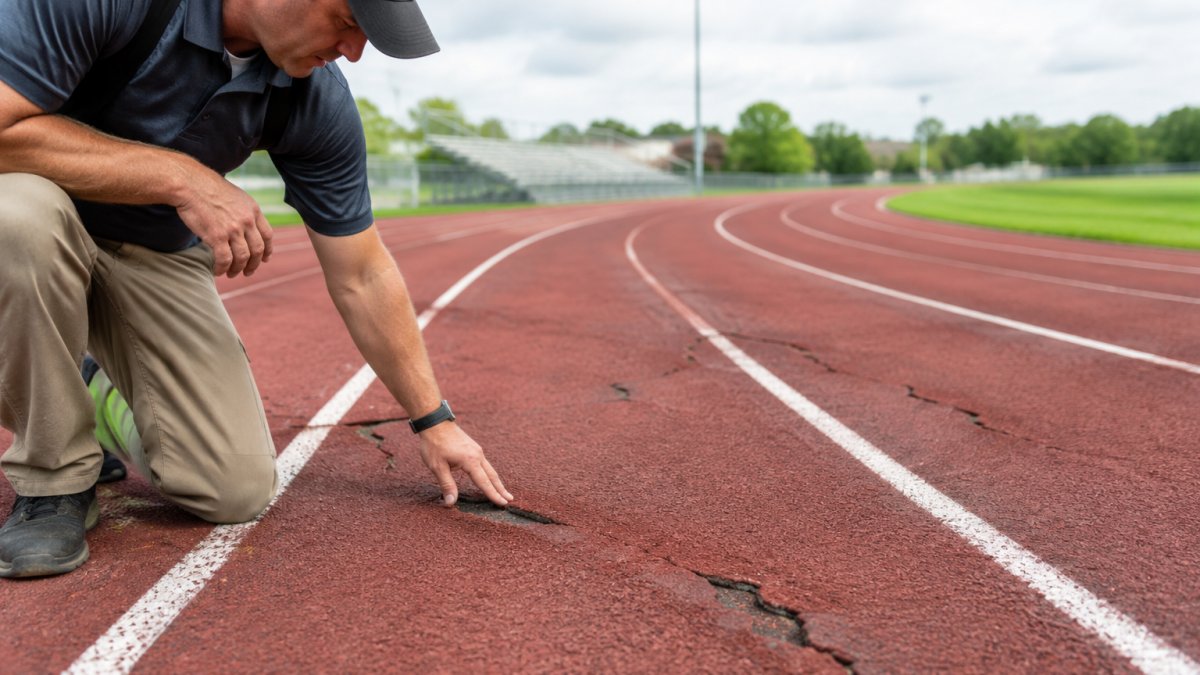
Start with a site inspection and condition assessment: a qualified crew walks the oval, maps damage, checks drainage, and probes the base. That report helps you decide which repair approach fits your track’s condition, and skipping an assessment can make it harder to budget accurately.
Common approaches for restoring a track include localized repairs, structural spray resurfacing, and full polyurethane resurfacing. The right choice depends on the condition your assessment finds.

The right fix depends on the symptoms and the condition of the base. Surface issues over a sound base may be addressed with restoration, while a failing base generally needs to be evaluated before any surface work is planned.
Resurfacing can be a practical alternative to full replacement when the base is sound. Read how resurfacing can extend your track’s lifespan, and see how stadium track repair transformed Bishop Kelly High School’s unsafe track.
The article names three restoration approaches, and the right one depends on what the assessment finds.
| Approach | Best for | Key point |
|---|---|---|
| Localized repairs | Isolated damage | One of the common restoration approaches |
| Structural spray resurfacing | Depends on assessment findings | One of the common restoration approaches |
| Full polyurethane resurfacing | Depends on assessment findings | One of the common restoration approaches |
| Resurfacing instead of replacement | Sound base | Can extend the track’s lifespan |
What Drives Running Track Resurfacing Cost and How to Budget for It
Running track resurfacing cost depends on track size, surface damage, repair scope, and how much striping and lane marking you need. Pricing depends on quantity, dates, and delivery, so request a quote for current pricing.
Costs can rise with localized repairs, base work, and drainage fixes. What an inspection finds under the surface is a major factor, since hidden base or drainage problems can change the scope of a resurfacing project.
Budget in layers: mandatory safety repairs, surface restoration, and optional upgrades such as re-striping or color changes. Fund the first two before the third, and consider staging work across fiscal years.
Lifecycle cost can matter as much as upfront price. Compare options on expected service life, maintenance needs, and replacement timing, and ask each bidder to state expected service life and maintenance schedule in writing.
Before you sign, learn how to spot a contractor upselling you, then use our buyer’s guide to hiring professional athletic track builders to compare bids fairly. A bid far below the others may reflect a narrower scope, so compare what each bid includes.
Athletic Track Maintenance, Rubberized Track Lifespan, and the Role of a Running Track Repair Kit
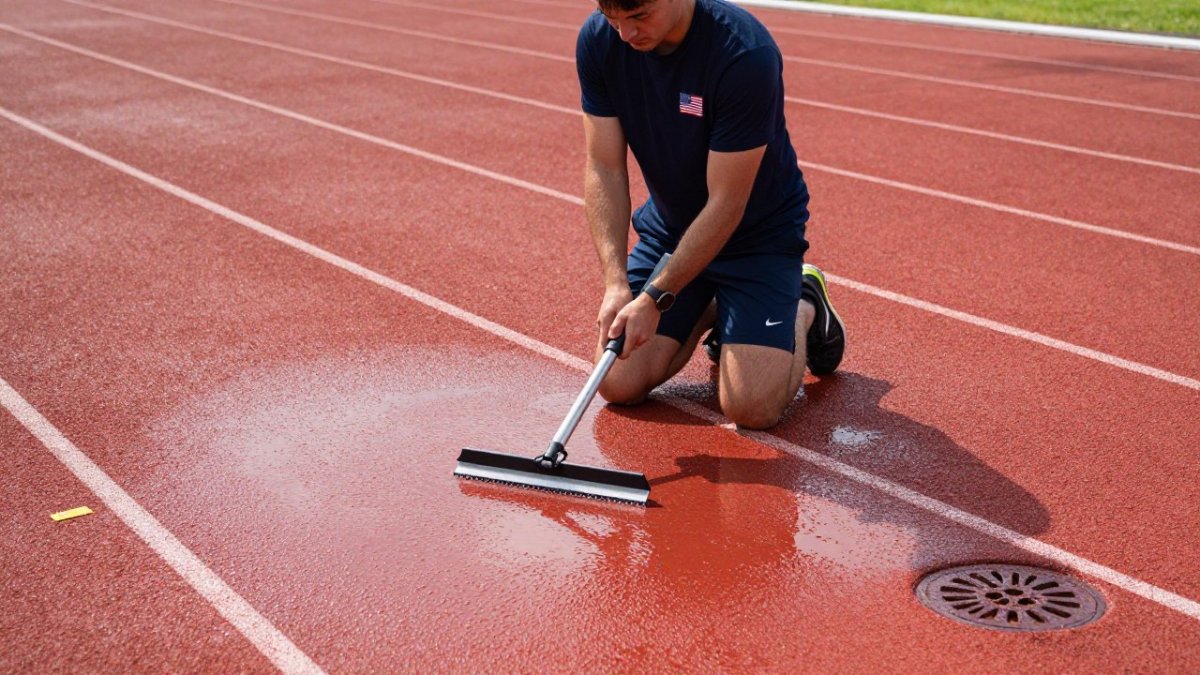
Maintenance can affect how long a rubberized track lasts. Keep the surface clean, clear debris from drains, and repair small imperfections before water gets into the base.
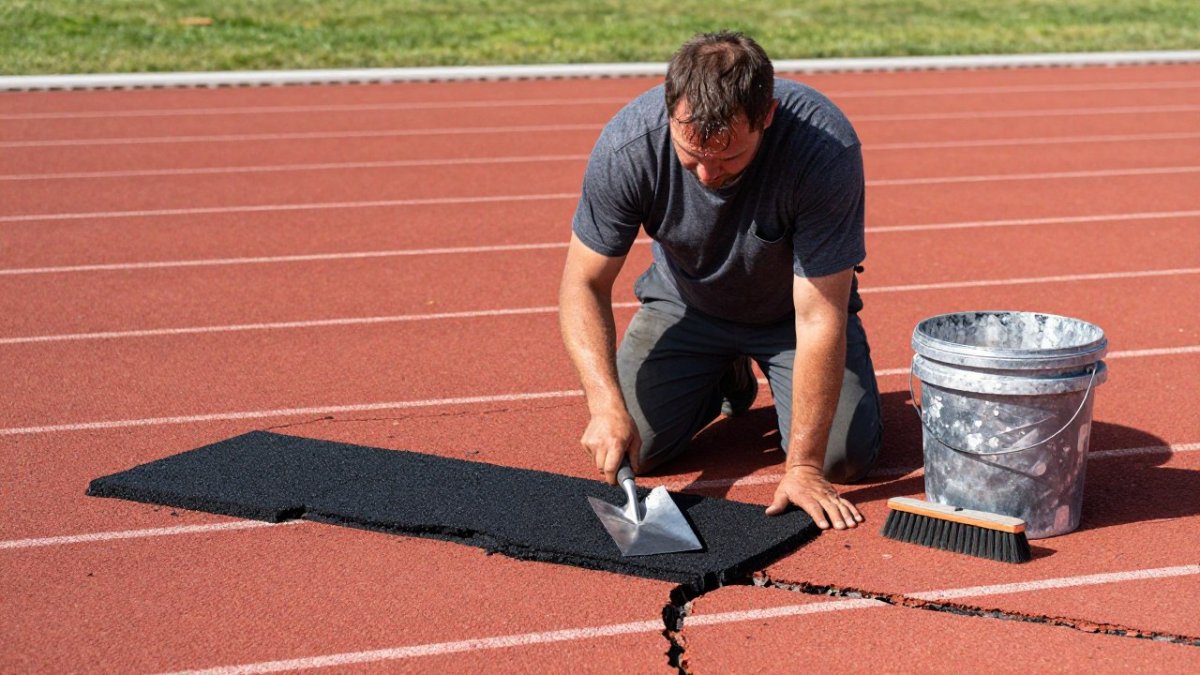
A running track repair kit can address surface scuffs and minor cracks between larger projects.
To confirm your restoration will hold up, follow this step-by-step method to verify track surface longevity. Plan around facility downtime, keep safety first, and re-stripe lane markings on schedule.
A track that is cracking and pooling does not have to mean a full replacement this year. TDRATHLETICS sends in-house crews, not subcontractors, to assess your surface and recommend the repair that is right rather than the most expensive. We handle restoration and new construction, so our recommendation is based on what your facility actually needs. Get started with TDRATHLETICS and protect the track your athletes already use.
Frequently Asked Questions
How much does it cost to resurface a track compared with a full replacement?
Resurfacing can cost less than new track installation. The exact cost depends on your track’s size, current condition, and the method chosen, so request a quote for current pricing. A full replacement also adds demolition, base work, and drainage corrections that resurfacing usually avoids. Get a site inspection and written scope before comparing bids, because quotes that skip base and drainage checks are not comparable.
How long does a rubberized track last, and can athletic track maintenance extend it?
A rubberized track’s service life depends on material, climate, and traffic. Regular athletic track maintenance can help: clearing debris from drains, keeping heavy equipment off the surface, repairing small cracks before water gets in, and re-striping worn lane markings. Catching surface imperfections early is far cheaper than waiting for them to reach the base layer.
Can a running track be repaired without replacing the whole surface?
Yes. Localized repairs, crack patching, surface recoating, and edge repairs can restore a track when the damage is confined to the top layer and the base is sound. Structural problems, poor drainage, or a failing base generally need a fuller evaluation than a surface repair. A condition assessment tells you which category your track falls into, so you spend money on the repair that actually solves the problem.